



HVAC systems are essential for maintaining comfortable temperatures and healthy air quality in buildings. Understanding the basics can help us choose the right system and keep it running efficiently. This section explores the main components and different system types.
Key Components of HVAC
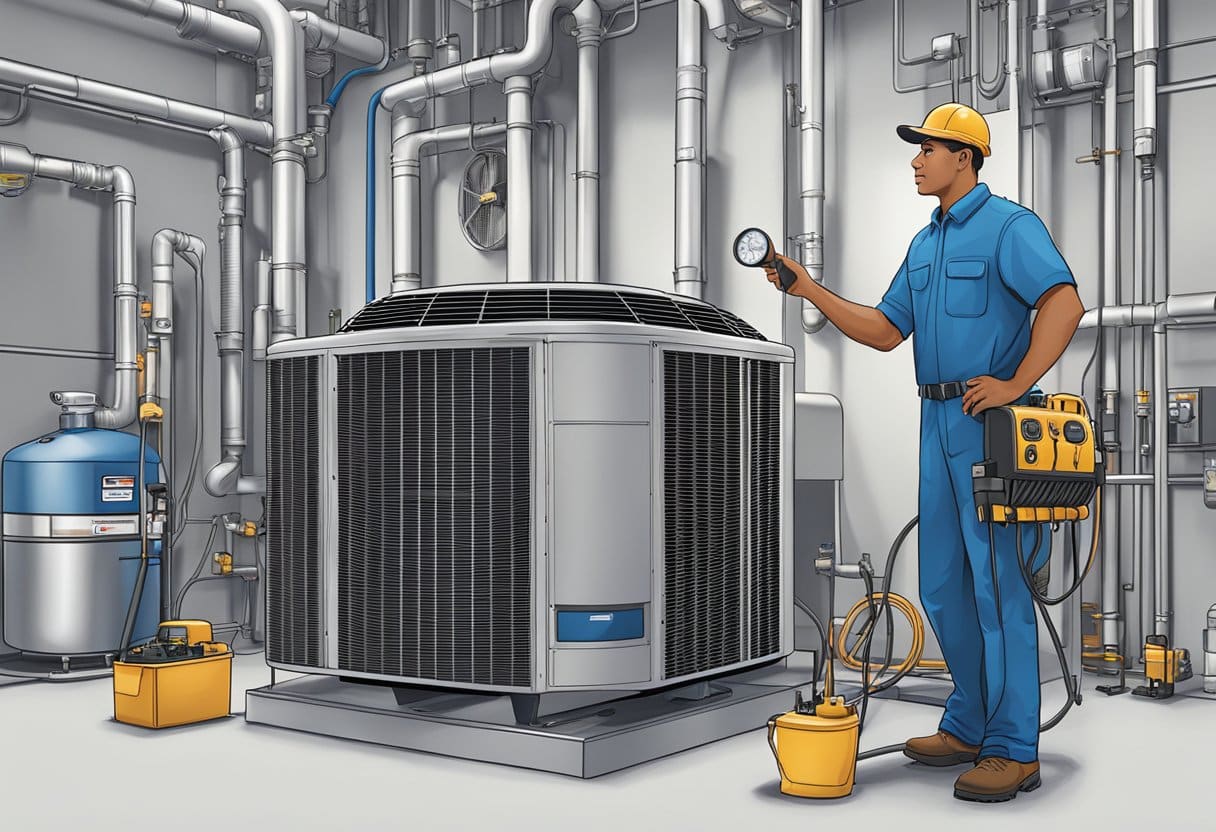
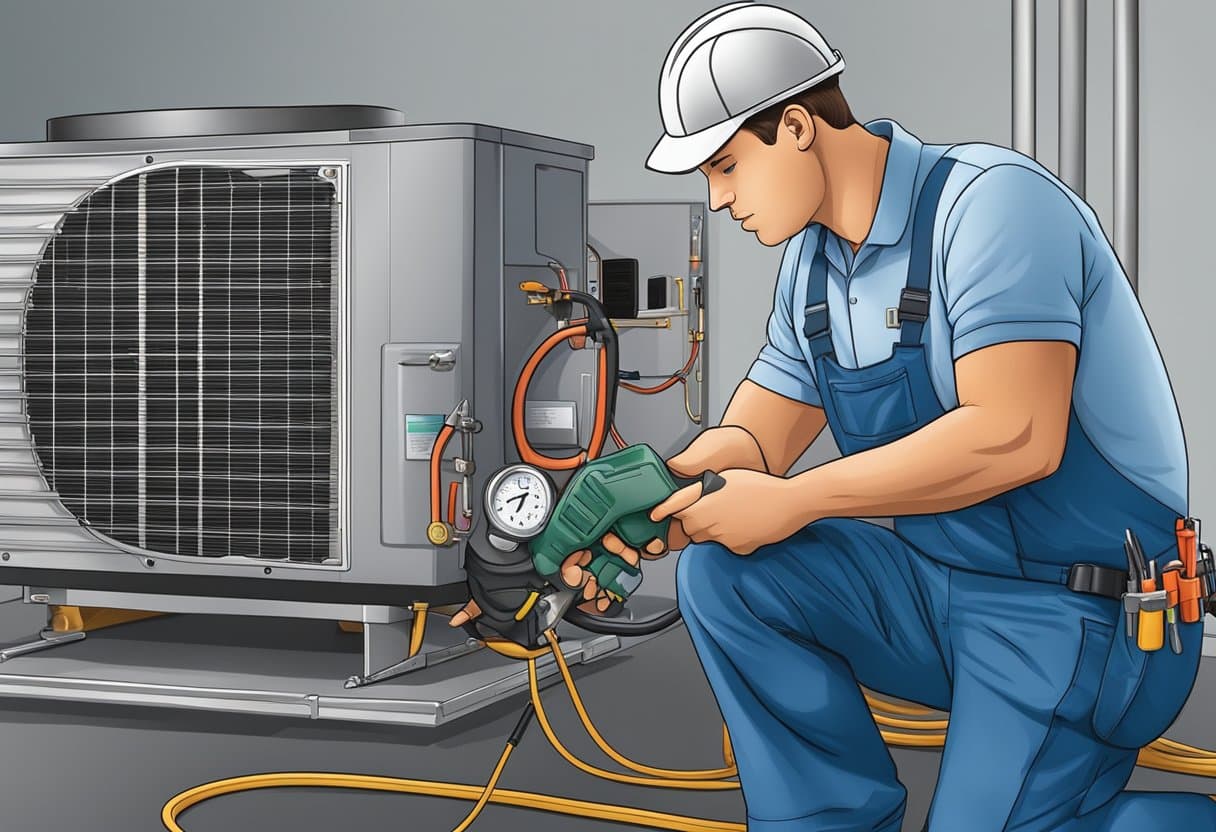
An HVAC system consists of several key components that work together to control the indoor environment. The furnace is crucial for heating; it burns fuel to produce warmth distributed throughout the space. An air conditioner is used for cooling, removing heat from indoors and releasing it outside. Another important element is the ventilation system, which circulates air and removes pollutants.
The heat pump is versatile, offering both heating and cooling by transferring heat between the inside and the outside. Thermostats play a major role in controlling temperatures, while air ducts direct the flow of air. Understanding these components helps us maintain our HVAC systems efficiently, ensuring they meet our needs year-round. For more details, check out this beginner's guide.
Types of HVAC Systems
There are various types of HVAC systems designed to cater to different requirements. Central air systems, for instance, use a network of ducts to distribute air, making them ideal for whole-house heating and cooling. On the other hand, ductless mini-splits are perfect for heating or cooling individual rooms without the need for extensive ductwork.
Geothermal heat pumps use the Earth's natural heat for temperature regulation, offering an eco-friendly option. Hybrid systems combine different technologies, such as a furnace with an electric heat pump, to enhance efficiency. Each type has its benefits and limitations, and the best choice depends on factors like building size and climate. Explore more about selecting the right system here.