
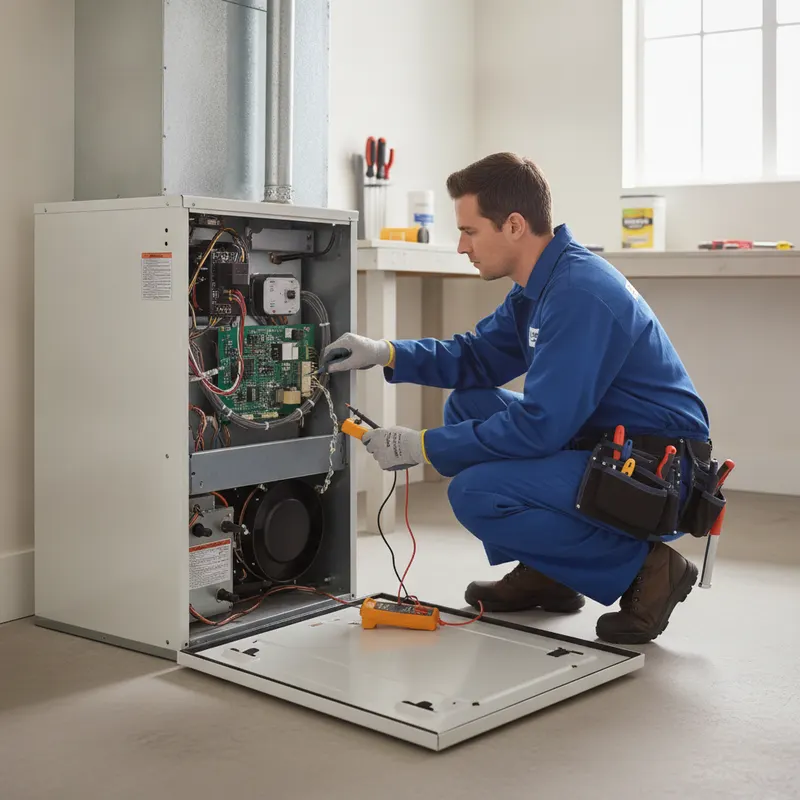
Ever wondered what keeps your home cozy in winter and cool in summer? That’s your HVAC system hard at work. But like any hardworking machine, it needs a little TLC to keep running smoothly. That’s where HVAC service comes in. HVAC service includes installing, maintaining, and repairing heating, ventilation, and air conditioning systems to ensure they’re running efficiently and effectively.
Regular HVAC service is a check-up for your home’s comfort system. It can lower energy use, prevent costly breakdowns, and help maintain healthier indoor air.
I’ve seen firsthand how neglecting HVAC maintenance can lead to all sorts of problems, from sky-high energy bills to complete system failures. That’s why I always recommend homeowners stay on top of their HVAC service. It’s an investment that pays off in the long run, keeping your home comfortable and your wallet happy.
Key Takeaways
- HVAC service keeps your system running efficiently, saving you money on energy bills
- Regular maintenance prevents costly breakdowns and extends the life of your HVAC system
- Professional HVAC service ensures your indoor air quality stays healthy for your family
Understanding HVAC Systems
HVAC systems are the backbone of comfort in our homes and workplaces. They’re complex but essential, and I’ve seen firsthand how they can make or break a building’s livability. Let’s break down the key parts and types you need to know about.
Core Components
The heart of any HVAC system is its heating and cooling units. These workhorses keep us comfy year-round. In my experience, a typical setup includes:
- Furnace: This bad boy heats air and pushes it through your ducts.
- Air conditioner: Cools and dehumidifies air on those sweltering days.
- Heat pump: A 2-in-1 marvel that can both heat and cool.
- Thermostat: The brains of the operation, telling your system when to kick in.
Don’t forget about the ductwork and vents. They’re like the circulatory system of your home, distributing that sweet, temperature-controlled air.
Types of HVAC Units
I’ve installed just about every type of HVAC unit out there. Here are the main players:
-
Split systems: The most common type I see. They have an outdoor unit (usually the AC) and an indoor unit (often the furnace).
-
Packaged units: These all-in-one systems are great for tight spaces. They house heating and cooling components in a single cabinet, usually outside.
-
Ductless mini-splits: Perfect for add-ons or older homes without ductwork. They’re efficient and give you zone control.
Each type has its pros and cons. The best choice depends on your home’s layout, climate, and budget. Trust me, getting the right system makes all the difference in keeping your space comfortable and your energy bills in check.
Why HVAC Maintenance Is Crucial
I’ve seen it time and time again - regular HVAC maintenance keeps your system running smoothly and saves you money in the long run. Trust me, a little TLC for your heating and cooling goes a long way.
Enhancing System Efficiency
Let’s talk efficiency. A well-maintained HVAC system is like a finely-tuned machine. I’ve cleaned countless filters and coils over the years, and I can tell you it makes a world of difference.
Clean filters help your system breathe easier. When I swap out a clogged filter for a fresh one, it’s like giving your HVAC a new set of lungs.
Dirty coils? They’re energy vampires. I’ve seen condenser units covered in grime, struggling to transfer heat. A good cleaning can boost efficiency by up to 30%.
Here’s a quick checklist I always follow:
- Replace filters regularly
- Clean evaporator and condenser coils
- Check refrigerant levels
- Lubricate moving parts
Extending Equipment Lifespan
I’ve torn apart enough dead HVAC units to know - neglect is a killer. Regular maintenance is like giving your system a health check-up. It catches small issues before they become big, expensive problems.
Preventive maintenance isn’t just about fixing what’s broken. It’s about keeping everything in top shape. I’ve seen well-maintained systems last 5-10 years longer than neglected ones.
During a service call, I’m looking at:
- Electrical connections
- Thermostat calibration
- Blower components
- Safety controls
By keeping these parts in check, we’re not just extending life - we’re ensuring your system runs safely and efficiently for years to come.
The Anatomy of HVAC Service
I’ve seen my fair share of HVAC systems, and let me tell you, they’re complex beasts. But don’t worry, I’ll break down the key parts of HVAC service so you can understand what’s going on in your home’s heating and cooling system.
Routine Check-up Steps
When I pop open an HVAC unit, I start with the basics. I check the thermostat to make sure it’s calibrated correctly. Then, I inspect the air filter - you’d be amazed how many problems a dirty filter can cause!
Next, I take a look at the blower and motor. I clean the blades and lubricate moving parts to keep things running smoothly. The compressor gets a once-over too. I check refrigerant levels and look for any leaks.
Don’t forget the ducts! I inspect them for leaks or blockages that could be messing with your airflow. Finally, I test all the electrical connections and controls. It’s all about preventive maintenance, folks!
Common Repairs Encountered
In my years on the job, I’ve tackled just about every HVAC problem you can imagine. One of the most common issues I see is a faulty compressor. When this heart of the system goes out, it can be a real pain to fix.
Blower motors are another frequent culprit. They can burn out or get clogged with debris, leading to poor airflow. I’ve also had to replace my fair share of thermostats that just couldn’t keep up anymore.
Refrigerant leaks are a big one too. They can be tricky to find, but they’re crucial to fix for your system to work efficiently. And let’s not forget about electrical issues - from blown capacitors to faulty wiring, these can cause all sorts of problems.
Seasonal HVAC Considerations
Your HVAC system needs different care as the seasons change. I’ve seen firsthand how proper maintenance can keep your home comfy year-round and save you money on energy bills.
Preparing for Summer
When the heat’s coming, you’ll want your AC ready to roll. I always start by cleaning or replacing the air filters. Dirty filters make your system work harder, and that’s just wasting energy.
Next, I check the outdoor unit. I clear away any debris and trim back vegetation. You’d be surprised how many folks let their AC get choked up with leaves and grass clippings.
I also recommend cleaning the evaporator coil. It’s a bit of a dirty job, but it keeps your AC running efficiently. Don’t forget to check the refrigerant levels too. Low refrigerant can really hurt your system’s performance.
Winter Readiness
When the cold starts creeping in, your heating system needs to be in top shape. I always start by inspecting the furnace. I look for any signs of wear and tear, and make sure all the components are working properly.
Changing the air filter is just as important in winter as it is in summer. A clean filter helps your system run more efficiently and improves your indoor air quality.
I also check the thermostat to make sure it’s accurate. An off-kilter thermostat can make your system work harder than it needs to.
Don’t forget about your ductwork. I’ve seen too many homes losing heat through leaky ducts. A quick inspection and some sealing can make a big difference in your comfort and energy bills.
Indoor Air Quality and Comfort
Your home’s air quality affects your health and comfort. I’ve seen firsthand how proper HVAC maintenance can make a huge difference. Let’s look at two key areas to focus on.
Managing Humidity
Humidity control is crucial for comfort and air quality. I’ve walked into homes that felt like swamps - not fun! Too much moisture breeds mold and dust mites. Too little leaves you with dry skin and static shocks.
Aim for 30-50% relative humidity. In humid climates, your AC does a lot of the work. But sometimes you need extra help. I recommend getting a whole-home dehumidifier if you’re constantly battling dampness.
For dry winter air, a humidifier can improve indoor air quality. It adds moisture to prevent dry sinuses and cracked skin. Just don’t overdo it - you don’t want to create a mold paradise!
Filtering and Purifying
Filtering out airborne nasties is key for clean air. I always tell folks to use high-quality air filters and change them regularly. It’s an easy DIY task that makes a big difference.
For homes with pets or allergies, I suggest going beyond basic filtration. Air purifiers can remove tiny particles your standard filter misses. They’re great for tackling pet dander, pollen, and even some odors.
Don’t forget about your ducts! I’ve seen some scary stuff hiding in there. Regular duct cleaning keeps your whole system running clean and efficient. It’s not a DIY job, but it’s worth calling in the pros every few years.