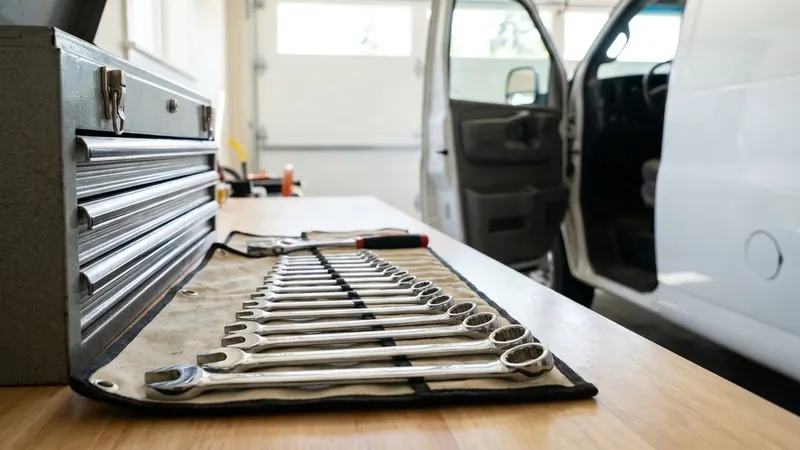
Wrenches are essential tools for any DIY enthusiast or professional mechanic. I’ve used countless wrenches over the years, and I know how confusing it can be to figure out all the different sizes. Wrench sizes typically range from 1/4 inch to 1-5/8 inches for standard (SAE) wrenches, and 6mm to 32mm for metric wrenches.
When I’m working on a project, I always make sure I have the right wrench size for the job. It’s not just about having a full set - it’s about knowing which size to use and when. I’ve seen too many stripped nuts and bolts from using the wrong size wrench.
In my experience, having a good wrench size chart handy can save you a lot of headaches. Whether you’re working on your car, fixing a leaky pipe, or assembling furniture, knowing your wrench sizes is key to getting the job done right.
Key Takeaways
- Wrench sizes come in both standard and metric measurements
- A complete set of wrenches covers a wide range of sizes for various tasks
- Using the correct wrench size prevents damage to nuts and bolts
Understanding Wrench Sizes
Wrench sizes can be tricky, but I’ve got you covered. Let’s break it down into the two main systems and look at the common sizes you’ll encounter in your projects.
Metric vs. Standard Sizes
I’ve seen a lot of confusion when it comes to metric and standard wrench sizes. Metric wrenches use millimeters, while standard (or SAE) wrenches use fractions of an inch.
In the US, you’ll often find both systems used. Newer cars and imported machinery tend to use metric sizes. Older American-made equipment usually needs standard wrenches.
It’s a good idea to have both types in your toolbox. I always keep a conversion chart handy for those tricky situations when you’re not sure which system you’re dealing with.
Common Wrench Size Chart
Here’s a quick rundown of the most common wrench sizes I use on the job:
Standard (SAE) Sizes:
- 1/4”, 5/16”, 3/8”, 7/16”, 1/2”, 9/16”, 5/8”, 11/16”, 3/4”, 13/16”, 7/8”, 15/16”, 1”
Metric Sizes:
- 6mm, 8mm, 10mm, 12mm, 13mm, 14mm, 15mm, 17mm, 19mm, 21mm, 22mm, 24mm
I’ve found that the 10mm and 13mm metric wrenches are workhorses in many projects. For standard sizes, 1/2” and 9/16” are my go-to tools.
Types of Wrenches
Wrenches come in many shapes and sizes to tackle different jobs. I’ve used just about every type out there over the years. Let me break down the main ones you’ll want in your toolbox.
Fixed Wrench Set
A fixed wrench set is a must-have for any toolbox. These wrenches have a fixed opening size that doesn’t change. You’ll find them in both standard and metric sizes.
I love fixed wrenches for their simplicity and strength. They won’t slip or strip nuts like adjustable wrenches can. A typical set includes sizes from 1/4 inch up to 1 inch or 6mm to 24mm.
The downside? You need a separate wrench for each size. But trust me, it’s worth it for the reliability.
Ratcheting Wrench Set
Ratcheting wrenches are a game-changer. They work like a socket wrench but in a more compact form. The ratcheting mechanism lets you turn nuts without removing the wrench.
I use these all the time in tight spaces. They’re faster than fixed wrenches and more versatile. A good set will have both SAE and metric sizes.
One tip: Look for sets with fine-tooth ratchets. They need less swing arc, which is great in cramped spots.
Socket Wrench
Socket wrenches are the workhorses of my toolbox. They consist of a ratcheting handle and interchangeable sockets. This system is incredibly versatile.
You’ll find socket sets in various sizes for both SAE and metric fasteners. Common drive sizes are 1/4 inch, 3/8 inch, and 1/2 inch.
I always recommend getting a set with deep sockets too. They’re perfect for reaching nuts on longer bolts or in recessed areas.
Combination Wrench Sizes
Combination wrenches are my go-to for everyday tasks. They have an open end and a box end of the same size on opposite sides. This design gives you options for different situations.
I find the open end great for quick adjustments, while the box end provides a more secure grip. Standard sizes typically range from 1/4 inch to 1 inch or 6mm to 32mm.
Pro tip: Invest in a good quality set. Cheap wrenches can round off nuts and bolts, causing headaches down the line.
Measuring for the Right Size
Getting the right wrench size is key for any job. I’ve seen too many stripped bolts from using the wrong tools. Let’s look at how to match your wrench to the bolt.
Bolt Diameter and Wrench Size Relationship
When I’m picking a wrench, I always check the bolt head first. The wrench size you need is directly linked to the bolt’s diameter. It’s not rocket science, but it does take some know-how.
For standard bolts, I use this simple trick: the wrench size is usually about 1.5 times the bolt diameter. So a 1/2 inch bolt typically needs a 3/4 inch wrench. But don’t take my word for it - always measure to be sure.
Here’s a quick guide I keep in my toolbox:
| Bolt Diameter | Wrench Size |
|---|
| 1/4 inch | 7/16 inch |
| 5/16 inch | 1/2 inch |
| 3/8 inch | 9/16 inch |
| 1/2 inch | 3/4 inch |
For metric sizes, it’s even easier. The wrench size often matches the bolt diameter. A 10mm bolt usually takes a 10mm wrench. But again, always double-check.
To measure a bolt, I use calipers or a bolt gauge. These tools never let me down. Remember, a snug fit is what you’re after. Too loose, and you’ll round off the bolt head. Too tight, and you might crack it.
Let me tell you, having the right conversion charts and tools is key for any mechanic. I’ve been in plenty of tight spots where knowing how to switch between SAE and metric saved my bacon. Let’s break down the essentials.
SAE to Metric Conversion
I always keep a SAE to metric conversion chart handy in my toolbox. It’s a lifesaver when I’m working on vehicles from different countries. Here’s a quick rundown:
- 1/4” = 6.35mm
- 5/16” = 8mm
- 3/8” = 10mm
- 7/16” = 11mm
- 1/2” = 13mm
These are just a few examples. I’ve found that memorizing these common sizes helps me work faster. But for those tricky in-between sizes, I never hesitate to double-check my chart.
Wrench Size Conversion Chart
Now, let’s talk about wrench size conversions. I’ve learned that having a good conversion chart can save you from stripping bolts or wasting time hunting for the perfect fit.
Here’s a simple chart I use:
| SAE | Metric |
|---|
| 1/4” | 6mm |
| 5/16” | 8mm |
| 3/8” | 10mm |
| 7/16” | 11mm |
| 1/2” | 13mm |
Remember, these aren’t exact matches, but they’re close enough for most jobs. I always test the fit before applying full force.
Socket Sizes in Order
Keeping your socket sizes in order is crucial for efficiency. I organize my SAE sockets like this:
- 1/4”
- 5/16”
- 3/8”
- 7/16”
- 1/2”
For metric sockets, I follow this sequence:
- 6mm
- 8mm
- 10mm
- 11mm
- 13mm
I’ve found that arranging sockets from smallest to largest makes it easy to grab the right size quickly. It’s all about working smarter, not harder.
Working with Wrenches
When it comes to wrenching, having the right tool for the job is crucial. I’ve seen plenty of stripped bolts and busted knuckles from using the wrong wrench. Let’s dive into the nuts and bolts of wrench selection and usage.
SAE and Metric Nuts and Bolts
In my years as a mechanic, I’ve encountered two main measurement systems: SAE and metric. SAE wrenches fit standard American nuts and bolts, while metric wrenches are used globally.
SAE sizes are measured in fractions of an inch. Common sizes include 1/4”, 5/16”, and 3/8”. Metric wrench sizes are in millimeters, like 10mm, 13mm, and 17mm.
I always keep both types in my toolbox. You never know when you’ll need to switch between a Ford (SAE) and a Toyota (metric) in the same day.
Selecting a Wrench for the Job
Choosing the right wrench is all about matching the tool to the fastener. I start by eyeballing the nut or bolt, then try a few sizes until I get a snug fit.
For tight spaces, I reach for a ratcheting wrench. It’s a game-changer when you can’t swing a full wrench.
Box-end wrenches are my go-to for stubborn bolts. They grip all sides of the nut, reducing the risk of rounding off edges.
Remember, using the correct wrench size is key to preventing damage and getting the job done right. A proper fit means less slipping and more torque where you need it.
When tackling jobs that need more than just standard wrenches, I’ve got a few tricks up my sleeve. These extra tools can be real lifesavers when you’re in a tight spot.
Hex Key and Specialty Sizes
I always keep a set of hex keys handy. These L-shaped tools are perfect for those pesky Allen screws. Hex key sizes range from tiny 0.7mm up to hefty 20mm in metric. For imperial, I use sizes from 0.028 inches to 3/4 inch.
In my toolbox, I’ve got both metric and standard hex keys. It’s crucial to have both because you never know what you’ll run into on a job. I’ve seen plenty of folks strip screws by using the wrong size.
Here’s a quick list of other specialty tools I use:
- Torx keys for star-shaped fasteners
- Square drive bits for Robertson screws
- Spanner wrenches for those tricky slotted nuts
These tools might not be as common, but boy, when you need ‘em, you’re glad you’ve got ‘em. Trust me, being prepared saves time and headaches on the job site.
Maintaining Your Wrench Set
I’ve seen a lot of rusty wrenches in my day, folks. Trust me, a little TLC goes a long way in keeping your tools in top shape. Let’s talk about how to maintain those wrench sets and spanners.
First things first, keep ‘em clean. After each use, I wipe my wrenches down with a cloth. If they’re really grimy, a bit of soapy water does the trick. Just make sure to dry ‘em well afterwards.
Now, rust is the enemy. I like to give my wrenches a light coat of machine oil every now and then. It keeps the rust at bay and helps ‘em work smooth as butter.
Storage matters too. I keep my wrench set in a tool roll or box. It prevents scratches and keeps everything organized. No more digging through a jumbled mess!
Here’s a quick checklist I follow:
- Clean after use
- Apply light oil coating
- Store in a dry place
- Check for damage regularly
If you spot any damaged wrenches, replace ‘em. A busted tool can be dangerous, and I’m all about safety on the job.
Frequently Asked Questions
Wrench sizes can be confusing, but I’ve got you covered. Let’s tackle some common questions about wrench sizes, from standard sets to metric conversions.
Which wrench sizes are typically included in a standard wrench set?
A basic wrench set usually includes sizes from 1/4 inch to 1 inch for SAE (standard) wrenches. For metric, you’ll typically find 6mm to 19mm sizes.
Most sets have about 7-10 wrenches. The exact sizes can vary by manufacturer.
Can you list the sequence of sizes for SAE wrenches?
Sure thing! The common SAE wrench sizes go like this:
1/4”, 5/16”, 3/8”, 7/16”, 1/2”, 9/16”, 5/8”, 11/16”, 3/4”, 13/16”, 7/8”, 15/16”, 1”
Some sets might include additional sizes between these.
What are the common metric wrench sizes available?
Metric wrench sets typically include these sizes:
6mm, 7mm, 8mm, 9mm, 10mm, 11mm, 12mm, 13mm, 14mm, 15mm, 16mm, 17mm, 18mm, 19mm
Larger sets might go up to 22mm or even 24mm.
How do I convert wrench sizes from inches to millimeters?
To convert inches to millimeters, multiply the inch measurement by 25.4. For example, a 1/2” wrench is about 12.7mm (0.5 x 25.4 = 12.7).
It’s not always an exact match, but it’ll get you close. I always keep a conversion chart handy in my toolbox.
What sizes do socket wrenches usually come in?
Socket wrenches come in the same sizes as regular wrenches. You’ll find both SAE and metric sizes.
The main difference is the drive size - 1/4”, 3/8”, and 1/2” are most common. This refers to the square drive that attaches to the ratchet.
The next size up from a 1 1/4” wrench would be 1 5/16”. After that, you’re looking at 1 3/8”.
These larger sizes aren’t always included in standard sets. If you need them, you might have to buy them separately.